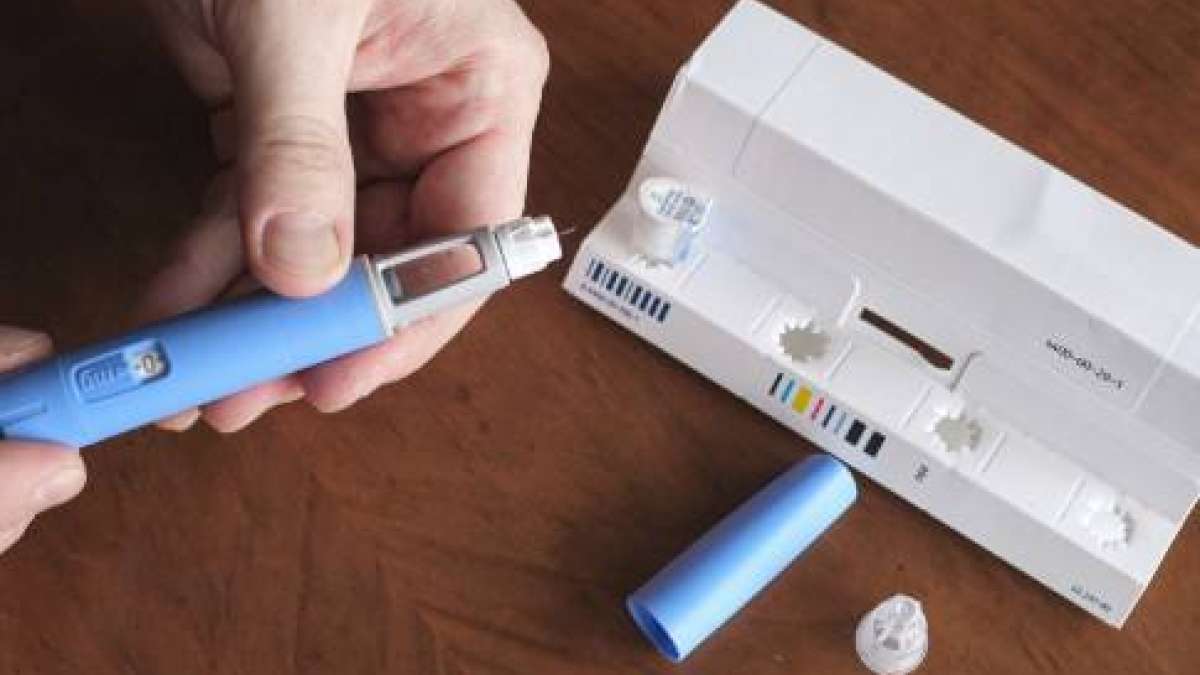
For a 0.5 ml dose, slightly more
Potential Side Effects of GLP-1 While GLP-1 is generally well-tolerated, it's essential to be aware of potential side effects: Gastrointestinal Issues: Nausea, vomiting, diarrhea, constipation, and abdominal pain are the most common side effects, typically occurring in the initial stages of treatment and often subsiding over time
No, semaglutide is not a reason for deferral
Seek urgent medical attention (call 999 or go to A&E) if you experience: Severe or persistent vomiting, or inability to keep fluids down for more than 24 hours Severe upper abdominal pain, particularly if it radiates to the back (possible pancreatitis) Severe right-sided upper abdominal pain, with or without fever or yellowing of the skin or eyes (possible gallbladder problems a recognised class signal with GLP-1 receptor agonists) [14] [15] Contact NHS 111 or your GP if you experience: Fast, irregular heartbeat or palpitations Symptoms of hypoglycaemia (shakiness, sweating, confusion), particularly if taking insulin or other glucose-lowering medicines Dizziness or signs of dehydration (reduced urine output, dry mouth, light-headedness) If you think you have experienced a side effect from any medicine, you can report it via the MHRA Yellow Card Scheme at yellowcard.mhra.gov.uk or through the Yellow Card app

Regional Outlook and Growth Opportunities The market demonstrates strong regional growth dynamics: USA (18.2% CAGR): Leading adoption driven by GLP-1 therapy penetration and product innovation UK (16.4% CAGR): Growth through DTC nutrition brands and functional meal formats Germany (15.8% CAGR): High demand for premium, structured nutrition solutions Japan (15.1% CAGR): Convenience-led, portion-controlled innovation South Korea (14.7% CAGR): Growth in functional beverages and snack formats North America leads commercialization, while Europe and East Asia drive premiumization and format innovation












:max_bytes(150000):strip_icc()/benefits-of-glutathione-89457_final-01-502464fe91b2444285b0cccf8cb0a33c.png)